By: Tom Maramba, executive director
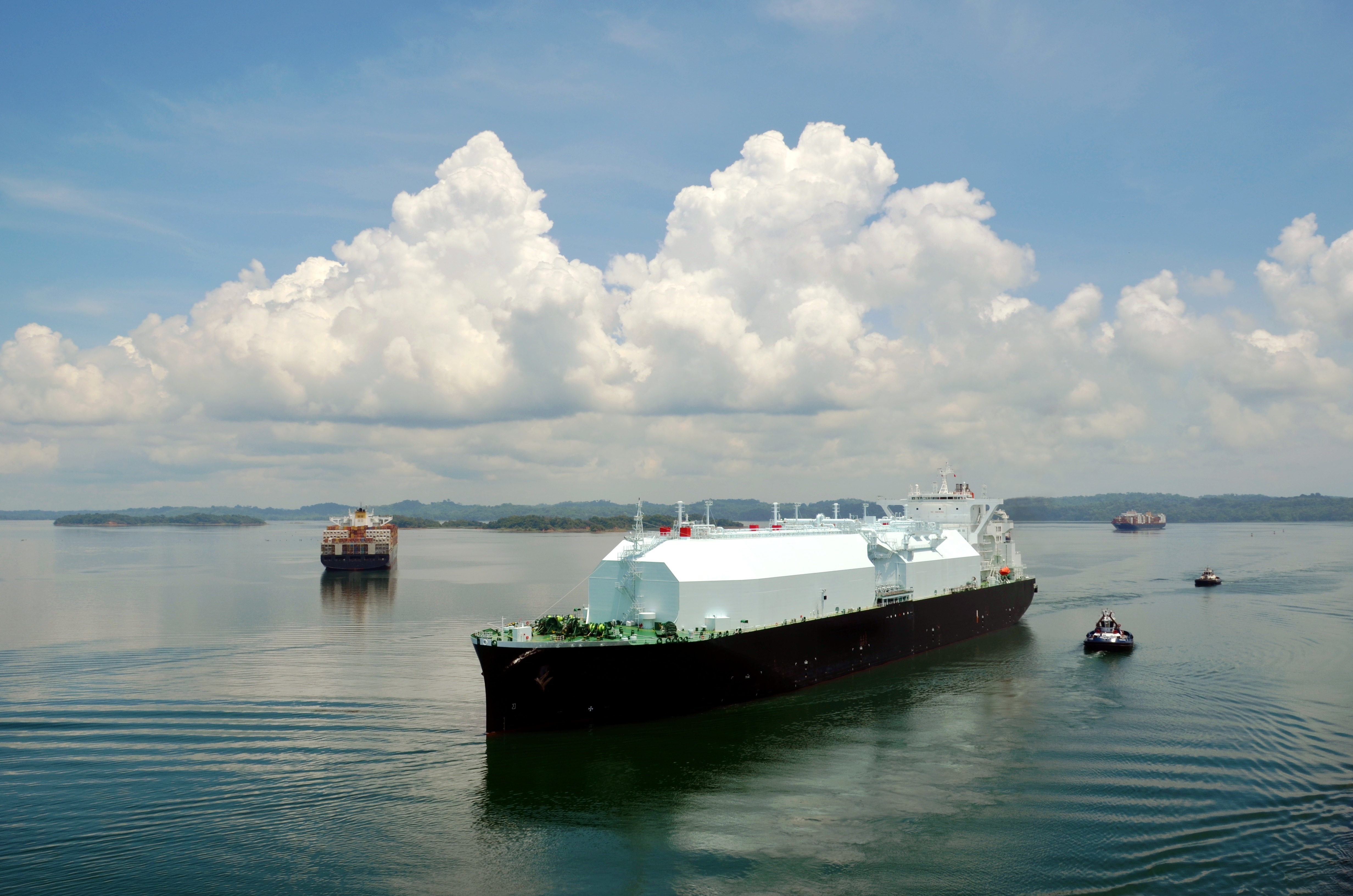
In the current geopolitical climate, energy security is vital to economic and political stability. Nowhere is this more apparent than in Europe, which is diversifying its primary gas supply away from Russia to other sources, including importing liquefied natural gas (LNG) from the United States. In fact, in 2022, Europe was the largest destination for U.S. LNG exports.
The LNG process enables countries with abundant natural gas, such as the U.S., to liquefy and ship their excess product to Asia, Europe and other countries, where it is re-gasified and used as a vital source of energy. With countries across the globe encouraging clean energy and seeking to achieve net zero goals, decarbonized LNG is becoming a reality.
For example, the LNG Canada project in Kitimat, British Columbia, Canada, which Fluor is a partner in designing and building, will emit less than half of a typical LNG facility’s greenhouse gas emissions through energy-efficient natural gas turbines and renewable electricity.
In addition to renewable electricity, three technological pathways are making low-carbon, carbon-neutral and even carbon-negative LNG possible.
Low-Carbon LNG: Carbon Capture in Traditional LNG
It’s possible to reduce LNG emissions intensity by 67%, even when producing traditional LNG from natural gas, through carbon capture at the liquefaction facility and at the end user. Carbon capture is the process of capturing carbon dioxide emissions from industrial facilities and reusing or storing them, instead of releasing them into the atmosphere. Large-scale carbon capture at industrial facilities is safe and effective, such as on Shell’s Quest carbon capture plant in Canada that Fluor designed and built.
Fluor has two proprietary carbon capture technologies, Fluor Econamine FG PlusSM and the Fluor SolventSM Process, with integrated storage solutions. With the current U.S. carbon capture incentives and this technology expertise, Fluor has performed multiple studies for clients interested in developing LNG facilities with associated carbon capture plants to reduce emissions.
Carbon-Neutral LNG: Electric-Liquefied Natural Gas (E-LNG)
Hydrogen is a versatile, clean energy gas that emits no carbon when used. It can be created with no emissions via a renewably powered electric process and is the key to carbon-neutral LNG.
Hydrogen molecules can be reacted with carbon dioxide (captured from the air or organic matter) to produce carbon-neutral methane. When liquefied, this methane is a carbon-neutral, drop-in substitute for traditional LNG. Adding carbon capture where the E-LNG is used could even potentially deliver a carbon-negative fuel.
Fluor is currently working with a European-based hydrogen firm to develop a large-scale E-LNG production unit in the United States. The goal is a circular carbon economy – one where carbon emissions from power plants are captured and used to create E-LNG that then powers those same plants.
While this process is more energy and cost-intensive than other decarbonized LNG methods, U.S. clean hydrogen tax credits are making these projects more economical. E-LNG also helps the European Union achieve its 2035 goal of renewable hydrogen making up 60% of industrial energy consumed.
Carbon-Negative Energy: Substitute Natural Gas (SNG) from Biomass
Substitute natural gas (SNG) can be made from biomass products, like wood waste, grass and plant residue. Liquefied SNG can be considered a carbon-negative fuel if the production facility includes carbon capture and sequestration in the plant design, and the energy source used in the biomass gasification facility is renewable. Fluor has performed facility studies that use wood waste as biomass feedstock to support this process.
With the low cost of biomass feedstocks, such as wood waste, and minimal power requirements for this process, this energy source can have lower production costs than other low-carbon options and be competitive with traditional LNG costs. U.S. incentives around clean hydrogen and carbon capture support this energy source’s economics, while SNG also advances the European Union’s biomass fuel goals.
Carbon capture, E-LNG and biomass gasification are three technological pathways that can help decarbonize the LNG value chain. Fluor’s technological and project execution expertise are helping scale these decarbonization technologies and make energy security, as well as the energy transition, more feasible.